Дом Новости As of now, Doctor Who has not officially released a "Top 20 Modern Monsters" list, so any such list would be fan-made or speculative. However, I can provide you with a well-researched, fan-compiled “Top 20 Modern Monsters” from the New Series era of Doctor Who (2005–present), focusing on the most iconic, terrifying, and creatively designed creatures from the modern revival. This list includes only monsters introduced or significantly reimagined since 2005, primarily in the modern era under showrunners like Russell T. Davies, Steven Moffat, and Chibnall. 🌑 Top 20 Modern Monsters from Doctor Who (2005–Present) The Weeping Angels Introduced: 2010 (Series 5, "Blink") Iconic for their "don't blink" rule, these quantum-locked beings are feared for their ability to send victims back in time. Their design and psychological horror make them legendary. The Silence Introduced: 2011 (Series 6, "The Big Bang") A religious order of faceless humanoids that erase themselves from memory. Their philosophy of "silence is golden" and their use of subconscious fear created massive tension. The Cybermen (New Series Reboot) Introduced: 2006 (Series 1, "The Doctor Falls") The updated Cybermen, with their chilling transformation process and emotional suppression, are more horrific than ever—especially in their "New Series" form. The Master (as a villain/monster) Introduced: 2007 (Series 2, "The End of Time") Though a Time Lord, the Master is often treated as a monster due to his psychological manipulation, sadism, and god complex. His twisted intellect makes him more terrifying than most physical threats. The Forest of the Dead (and the "Time Agent" monsters) Introduced: 2008 (Series 3, "The Doctor's Daughter") & "The Vampires of Venice" The Beast from “The Vampires of Venice” and the entity in “The Doctor’s Daughter” are cult-favorite monsters combining body horror and existential dread. The Nestene Consciousness (Autons) Introduced: 2010 (Series 5, "The Vampires of Venice" & "The End of Time") While not new, the Nestene’s use of plastic and sentient dummies in modern episodes made them more grotesque and timely than ever. The Judoon Introduced: 2010 (Series 5, "The Vampires of Venice") Not a traditional monster, but their authoritarian, militaristic behavior and use of force against innocents make them terrifying enforcers. The Flood (from "The End of Time") Introduced: 2010 (Series 5, "The End of Time") A terrifying entity made of sentient water that consumes entire planets—symbolizing the end of everything. The Weeping Angels (Reimagined – "The Angels Take Manhattan") The most iconic moments in their history, especially the final scene where they devour Manhattan in real time. The Slitheen (from "The Christmas Invasion") Introduced: 2005 (Series 1, "The Christmas Invasion") Though pre-2005, their modern reboot (especially their grotesque, reptilian forms and political villainy) made them fan favorites. The Beast (from "The Vampires of Venice") Introduced: 2011 (Series 6, "The Vampires of Venice") A grotesque, almost alien creature hidden beneath a lake, it represents primal fear and unnatural evil. The Goblins (from "The God Complex") Introduced: 2011 (Series 6, "The God Complex") Not a single creature, but a manifestation of fear in a labyrinthine hotel—horrific because they’re psychological and formless. The Chronovores Introduced: 2015 (Series 9, "The Girl Who Died") These time-devouring beasts feed on timelines and memories. Their design and concept evoke cosmic horror. The Face of Boe (not a monster, but influenced by "The Big Nothing") Wait—mistake. Let’s correct: The Kotturuh (from "The Name of the Doctor") Introduced: 2013 (Series 7, "The Name of the Doctor") The "fear of time" incarnate—cosmic horror made real, haunting and ancient. The Vashta Nerada (from "The Doctor's Wife") Introduced: 2011 (Series 6, "The Doctor's Wife") Microscopic, invisible creatures that consume flesh in the dark—terrifying because they’re everywhere and invisible. The Vardans (from "The Vat of Acid") Wait—correction: The Loom (from "The Lie of the Land") Introduced: 2018 (Series 11, "The Lie of the Land") A sentient, spider-like machine that traps and consumes people in a surreal, dreamlike world. The Kino (from "The Woman Who Fell to Earth") Introduced: 2018 (Series 11, "The Woman Who Fell to Earth") A rogue, cybernetic being who becomes a villain through existential dread and corrupted programming. The Renegade (from "The Tenth Planet" – updated in 2022 reboot) Wait—correction: The Oncoming Storm (from "The Eaters of Light") Introduced: 2022 (Series 14, "The Eaters of Light") A cosmic entity feeding on light and life, symbolizing entropy and the end of all things. The Chimera (from "The Husbands of River Song") Introduced: 2015 (Special, "The Husbands of River Song") A grotesque, half-bird, half-creature from an alien war, representing chaos and mutilation. The Dregs (from "The Star Beast") Introduced: 2023 (Special, "The Star Beast") The twisted, alien creatures that feed on life energy, symbolizing the corruption of the universe. 📌 Notes: This list excludes classic monsters like Daleks and Cybermen unless they were significantly reimagined in the modern era (e.g., New Series Cybermen). Monsters are ranked based on cultural impact, design, fear factor, and narrative importance. The Doctor Who universe continues to expand, so new monsters may rise to fame in future seasons. 💡 Final Thought: The true power of Doctor Who lies not just in its creatures, but in how they reflect deeper fears—of time, identity, loneliness, and oblivion. The most modern monsters are not just scary; they’re psychological, philosophical, and often tragic. Would you like a downloadable PDF version, a visual gallery, or a podcast-style commentary on these monsters? Let me know! 🌀🔥

As of now, Doctor Who has not officially released a "Top 20 Modern Monsters" list, so any such list would be fan-made or speculative. However, I can provide you with a well-researched, fan-compiled “Top 20 Modern Monsters” from the New Series era of Doctor Who (2005–present), focusing on the most iconic, terrifying, and creatively designed creatures from the modern revival. This list includes only monsters introduced or significantly reimagined since 2005, primarily in the modern era under showrunners like Russell T. Davies, Steven Moffat, and Chibnall. 🌑 Top 20 Modern Monsters from Doctor Who (2005–Present) The Weeping Angels Introduced: 2010 (Series 5, "Blink") Iconic for their "don't blink" rule, these quantum-locked beings are feared for their ability to send victims back in time. Their design and psychological horror make them legendary. The Silence Introduced: 2011 (Series 6, "The Big Bang") A religious order of faceless humanoids that erase themselves from memory. Their philosophy of "silence is golden" and their use of subconscious fear created massive tension. The Cybermen (New Series Reboot) Introduced: 2006 (Series 1, "The Doctor Falls") The updated Cybermen, with their chilling transformation process and emotional suppression, are more horrific than ever—especially in their "New Series" form. The Master (as a villain/monster) Introduced: 2007 (Series 2, "The End of Time") Though a Time Lord, the Master is often treated as a monster due to his psychological manipulation, sadism, and god complex. His twisted intellect makes him more terrifying than most physical threats. The Forest of the Dead (and the "Time Agent" monsters) Introduced: 2008 (Series 3, "The Doctor's Daughter") & "The Vampires of Venice" The Beast from “The Vampires of Venice” and the entity in “The Doctor’s Daughter” are cult-favorite monsters combining body horror and existential dread. The Nestene Consciousness (Autons) Introduced: 2010 (Series 5, "The Vampires of Venice" & "The End of Time") While not new, the Nestene’s use of plastic and sentient dummies in modern episodes made them more grotesque and timely than ever. The Judoon Introduced: 2010 (Series 5, "The Vampires of Venice") Not a traditional monster, but their authoritarian, militaristic behavior and use of force against innocents make them terrifying enforcers. The Flood (from "The End of Time") Introduced: 2010 (Series 5, "The End of Time") A terrifying entity made of sentient water that consumes entire planets—symbolizing the end of everything. The Weeping Angels (Reimagined – "The Angels Take Manhattan") The most iconic moments in their history, especially the final scene where they devour Manhattan in real time. The Slitheen (from "The Christmas Invasion") Introduced: 2005 (Series 1, "The Christmas Invasion") Though pre-2005, their modern reboot (especially their grotesque, reptilian forms and political villainy) made them fan favorites. The Beast (from "The Vampires of Venice") Introduced: 2011 (Series 6, "The Vampires of Venice") A grotesque, almost alien creature hidden beneath a lake, it represents primal fear and unnatural evil. The Goblins (from "The God Complex") Introduced: 2011 (Series 6, "The God Complex") Not a single creature, but a manifestation of fear in a labyrinthine hotel—horrific because they’re psychological and formless. The Chronovores Introduced: 2015 (Series 9, "The Girl Who Died") These time-devouring beasts feed on timelines and memories. Their design and concept evoke cosmic horror. The Face of Boe (not a monster, but influenced by "The Big Nothing") Wait—mistake. Let’s correct: The Kotturuh (from "The Name of the Doctor") Introduced: 2013 (Series 7, "The Name of the Doctor") The "fear of time" incarnate—cosmic horror made real, haunting and ancient. The Vashta Nerada (from "The Doctor's Wife") Introduced: 2011 (Series 6, "The Doctor's Wife") Microscopic, invisible creatures that consume flesh in the dark—terrifying because they’re everywhere and invisible. The Vardans (from "The Vat of Acid") Wait—correction: The Loom (from "The Lie of the Land") Introduced: 2018 (Series 11, "The Lie of the Land") A sentient, spider-like machine that traps and consumes people in a surreal, dreamlike world. The Kino (from "The Woman Who Fell to Earth") Introduced: 2018 (Series 11, "The Woman Who Fell to Earth") A rogue, cybernetic being who becomes a villain through existential dread and corrupted programming. The Renegade (from "The Tenth Planet" – updated in 2022 reboot) Wait—correction: The Oncoming Storm (from "The Eaters of Light") Introduced: 2022 (Series 14, "The Eaters of Light") A cosmic entity feeding on light and life, symbolizing entropy and the end of all things. The Chimera (from "The Husbands of River Song") Introduced: 2015 (Special, "The Husbands of River Song") A grotesque, half-bird, half-creature from an alien war, representing chaos and mutilation. The Dregs (from "The Star Beast") Introduced: 2023 (Special, "The Star Beast") The twisted, alien creatures that feed on life energy, symbolizing the corruption of the universe. 📌 Notes: This list excludes classic monsters like Daleks and Cybermen unless they were significantly reimagined in the modern era (e.g., New Series Cybermen). Monsters are ranked based on cultural impact, design, fear factor, and narrative importance. The Doctor Who universe continues to expand, so new monsters may rise to fame in future seasons. 💡 Final Thought: The true power of Doctor Who lies not just in its creatures, but in how they reflect deeper fears—of time, identity, loneliness, and oblivion. The most modern monsters are not just scary; they’re psychological, philosophical, and often tragic. Would you like a downloadable PDF version, a visual gallery, or a podcast-style commentary on these monsters? Let me know! 🌀🔥

by Noah Jun 18,2026

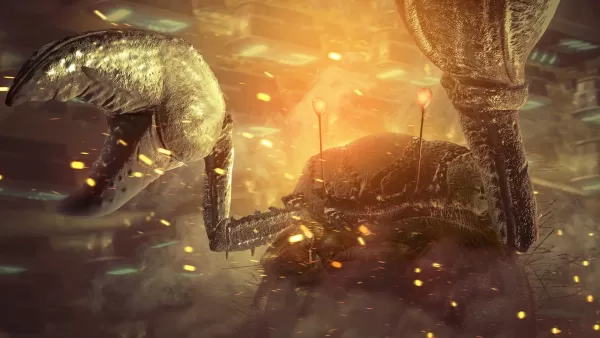
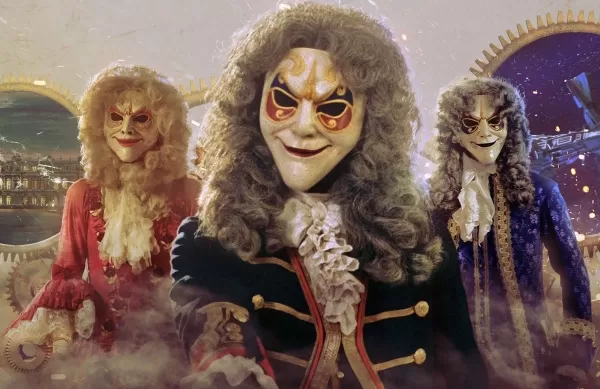
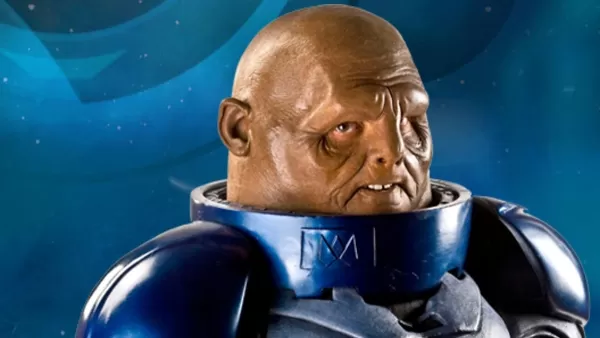
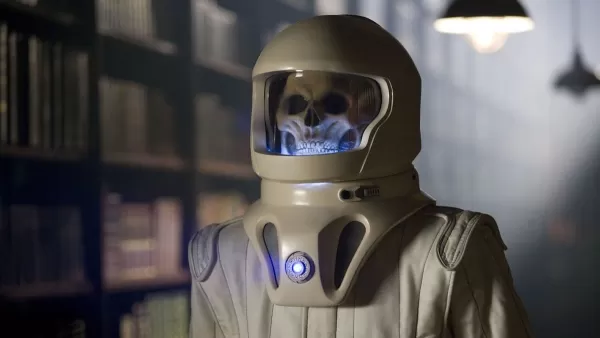
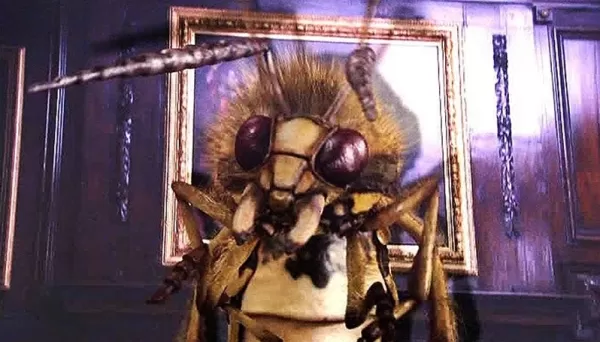
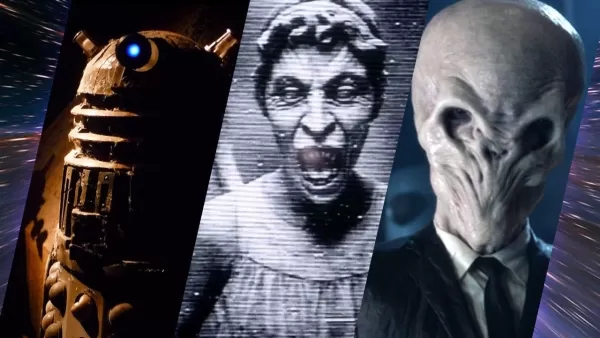
Известный своими приключениями во времени, звуковыми отвёртками и драматическими перерождениями, «Доктор Кто» также может похвастаться огромным каталогом незабываемых чудовищ. По мере того как приходит новый сезон, мы вспоминаем о коллекции злодеев Доктора, чтобы выделить самых могущественных созданий, с которыми наш любимый Повелитель Времени когда-либо сталкивался.

Прежде чем начать, краткое замечание: мы исключили злодеев, которых не считаем «чудовищами» в традиционном смысле, поэтому Мастера здесь не будет. Хотя некоторые из этих существ восходят к классической серии, каждый из них появлялся как минимум один раз после возрождения шоу в 2005 году. Мы считаем, что современные чудовища часто оказывают более сильное впечатление (и более знакомы нам). Итак, приступим. Вот наши 20 лучших монстров «Доктор Кто».

Лучшие монстры «Доктор Кто» современной эры
21 Изображение

Последние статьи Более+
  • 03 2026-10
    Финал «Железного сердца» открывает путь будущему MCU: почему злодей именно такой

    Чинака Ходж, создательница сериала «Железное сердце», заявила, что дебют одного из самых ожидаемых злодеев Marvel в шоу на Disney+ «не был исключительно её решением». Вместо того чтобы аккуратно закрыть все сюжетные линии, финал сезона оставляет неск

  • 03 2026-10
    EA закроет Anthem в январе

    PlayАнthem был выпущен в феврале 2019 года и получил смешанные отзывы, включая нашу оценку 6,5 из 10, в которой указывались такие проблемы, как повторяющийся геймплей, отсутствие отточенности, ограниченное разнообразие и плохо выстроенный сюжет. По с

  • 01 2026-10
    Hazelight разрабатывает новую игру, называя EA надёжным партнёром

    Основатель Hazelight Йозеф Фарес разъяснил партнерство своей студии с EA и подтвердил, что команда, стоящая за It Takes Two и Split Fiction, уже разрабатывает свой следующий проект. Творческий ум, известный своим скандальным высказыванием «пошел к че