Дом Новости “Low-Budget Animated Hit” Wins Oscar – A Surprising Triumph for “The Lost Bird” In a stunning upset at the 96th Academy Awards, the indie animated film The Lost Bird took home the Oscar for Best Animated Feature, defying expectations and sweeping the hearts of audiences and critics alike. With a shoestring budget of just $2.3 million and created entirely by a nine-person studio in rural Oregon, the film’s emotional depth, hand-drawn artistry, and poignant storytelling resonated far beyond its modest origins. Directed by newcomer Maya Tran, The Lost Bird follows a young girl’s journey through a surreal, dreamlike forest in search of her missing brother, guided only by a mysterious, feathered bird that may be real—or a figment of her imagination. Critics praised the film’s haunting visuals, delicate animation, and understated narrative, calling it “a masterpiece of quiet power” (The Hollywood Reporter) and “a triumph of soul over spectacle” (Variety). The win marks a historic moment for independent animation. As the first film with a budget under $5 million to win the award since Wallace & Gromit: The Curse of the Were-Rabbit in 2005, it signals a growing appreciation for heartfelt, low-budget storytelling in an industry increasingly dominated by big-budget franchises. Accepting the Oscar, Tran choked back tears. “This film was made with love, not money. It’s for every kid who’s ever felt lost, and every artist who’s ever believed in a dream no one else saw. Thank you for hearing us.” While major studios like Pixar and DreamWorks were expected to dominate the category, The Lost Bird’s victory has sparked a broader conversation about access, originality, and the enduring power of animation to tell deeply human stories—no matter the budget. In a year where big-name blockbusters were praised for technical wizardry, the Oscar went to a film that reminded the world that sometimes, the most powerful stories are the quietest ones. 🏆 Winner: Best Animated Feature – “The Lost Bird” (2024)

“Low-Budget Animated Hit” Wins Oscar – A Surprising Triumph for “The Lost Bird” In a stunning upset at the 96th Academy Awards, the indie animated film The Lost Bird took home the Oscar for Best Animated Feature, defying expectations and sweeping the hearts of audiences and critics alike. With a shoestring budget of just $2.3 million and created entirely by a nine-person studio in rural Oregon, the film’s emotional depth, hand-drawn artistry, and poignant storytelling resonated far beyond its modest origins. Directed by newcomer Maya Tran, The Lost Bird follows a young girl’s journey through a surreal, dreamlike forest in search of her missing brother, guided only by a mysterious, feathered bird that may be real—or a figment of her imagination. Critics praised the film’s haunting visuals, delicate animation, and understated narrative, calling it “a masterpiece of quiet power” (The Hollywood Reporter) and “a triumph of soul over spectacle” (Variety). The win marks a historic moment for independent animation. As the first film with a budget under $5 million to win the award since Wallace & Gromit: The Curse of the Were-Rabbit in 2005, it signals a growing appreciation for heartfelt, low-budget storytelling in an industry increasingly dominated by big-budget franchises. Accepting the Oscar, Tran choked back tears. “This film was made with love, not money. It’s for every kid who’s ever felt lost, and every artist who’s ever believed in a dream no one else saw. Thank you for hearing us.” While major studios like Pixar and DreamWorks were expected to dominate the category, The Lost Bird’s victory has sparked a broader conversation about access, originality, and the enduring power of animation to tell deeply human stories—no matter the budget. In a year where big-name blockbusters were praised for technical wizardry, the Oscar went to a film that reminded the world that sometimes, the most powerful stories are the quietest ones. 🏆 Winner: Best Animated Feature – “The Lost Bird” (2024)

by Amelia Jun 09,2026

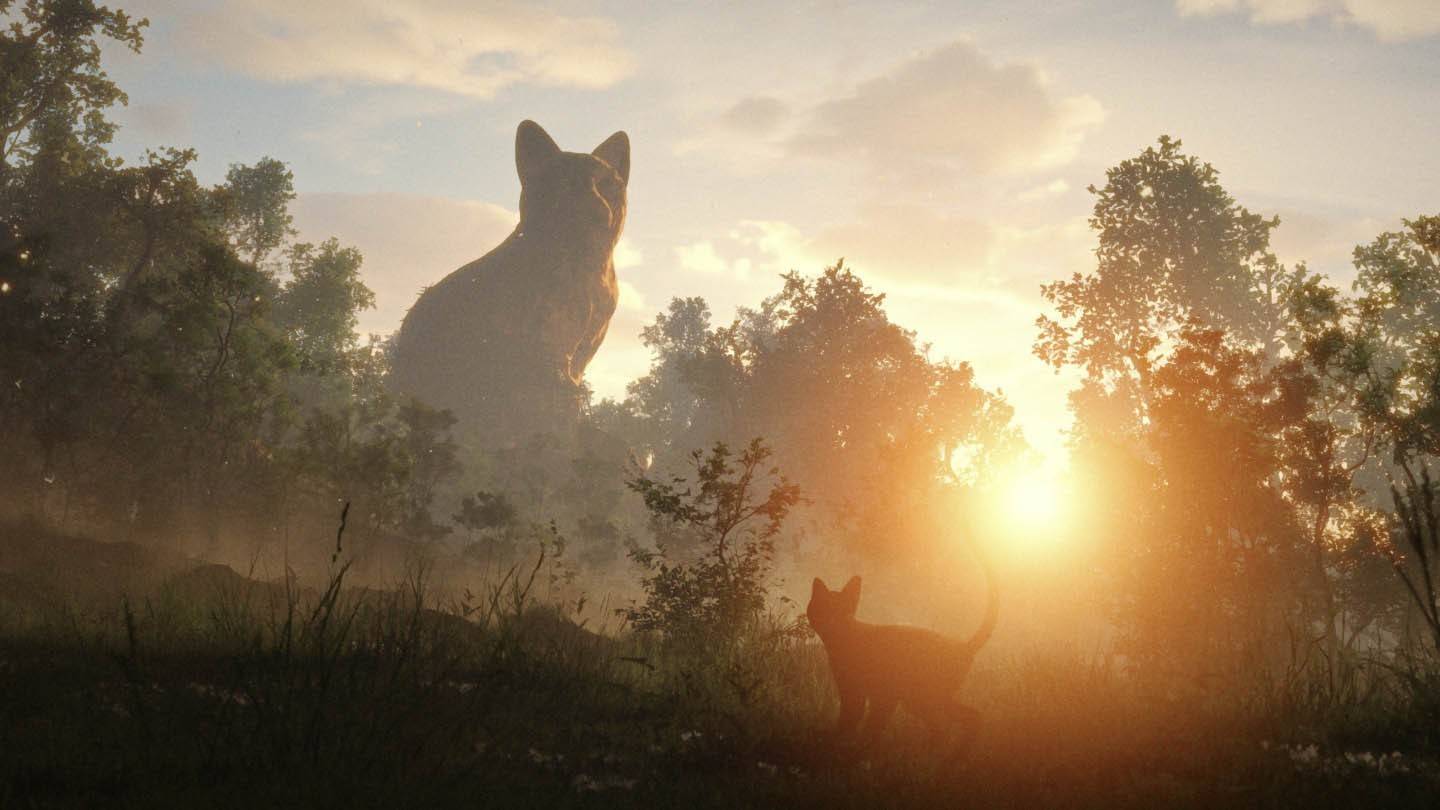
Животные, отражающие человеческое поведение в фильме «Flow»

Вот что делает «Flow» таким исключительным

Латвийский анимационный шедевр «Flow» Гинца Зилбалодиса демонстрирует, как животные проявляют глубокие человеческие черты и социальные динамики:

  • Кошка иллюстрирует способность к адаптации и быстрому мышлению в меняющихся обстоятельствах
  • Капибары символизируют спокойствие, одновременно предостерегая от пассивного принятия
  • Секретарская птица демонстрирует решительное, пусть и непопулярное лидерство
  • Лабрадоры воплощают юношескую общительность и жизненную энергию
  • Лемур делает острые замечания по поводу избыточной потребительской культуры

Этот блестящий характерный подход предлагает моральные уроки для молодёжи и проницательные наблюдения за обществом для взрослых. Режиссёр Зилбалодис сознательно параллелизировал свой собственный путь к созданию фильма с эволюцией кошки, переходящей к доверию и командной работе.
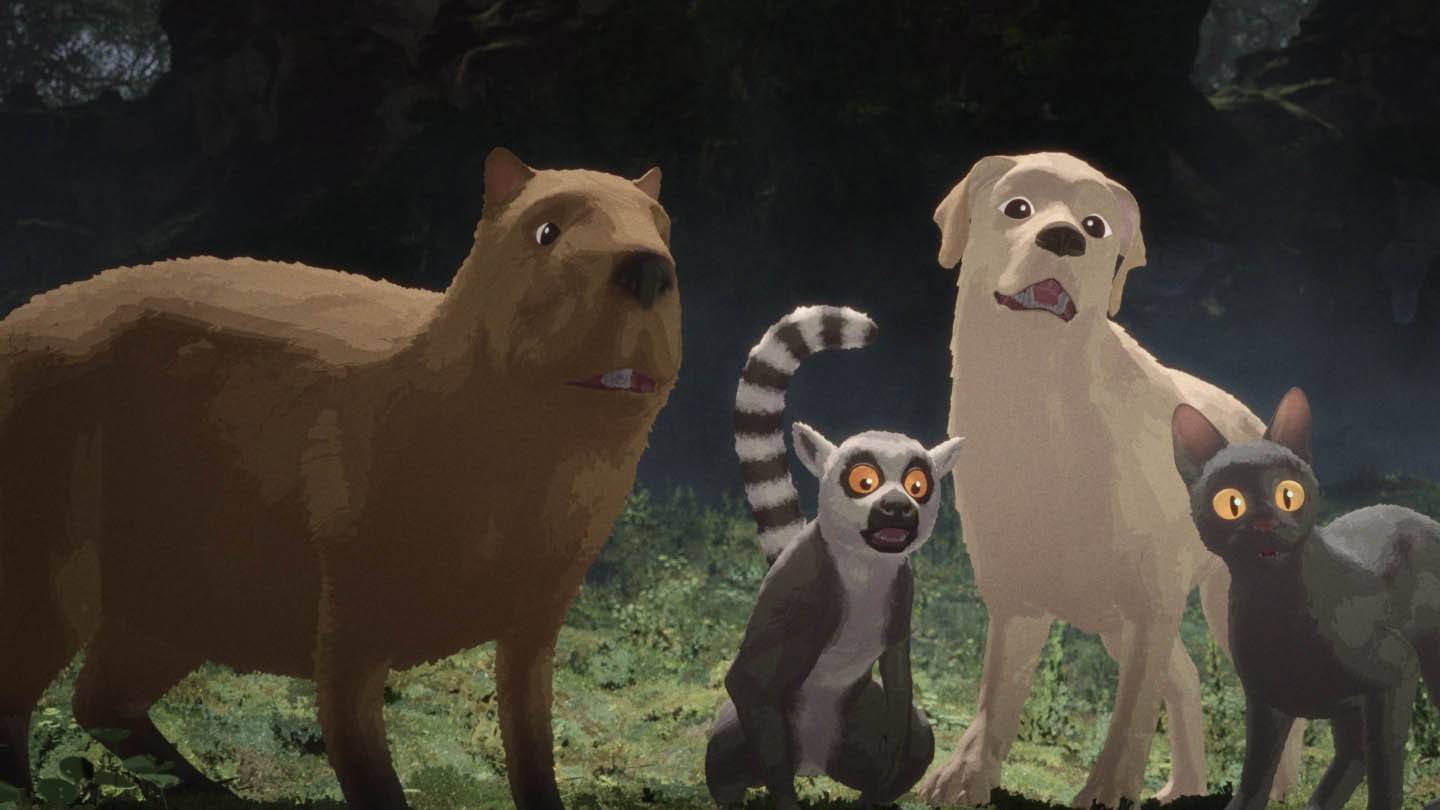
Основные персонажи фильма «Flow» вместе

Открытый финал заставляет зрителей размышлять о множестве возможностей

Неоднозначный сюжет «Flow» побуждает зрителей интерпретировать несколько ключевых вопросов:

  1. Смогут ли выжившие животные создать новые социальные структуры после наводнения?
  2. Как экстремальные условия могут изменить их отношения?
  3. Какие глубокие идеи о коллективном выживании возникают в ходе их путешествия?

Это осмысленная двусмысленность даёт каждому зрителю возможность найти в событиях фильма уникальный смысл.
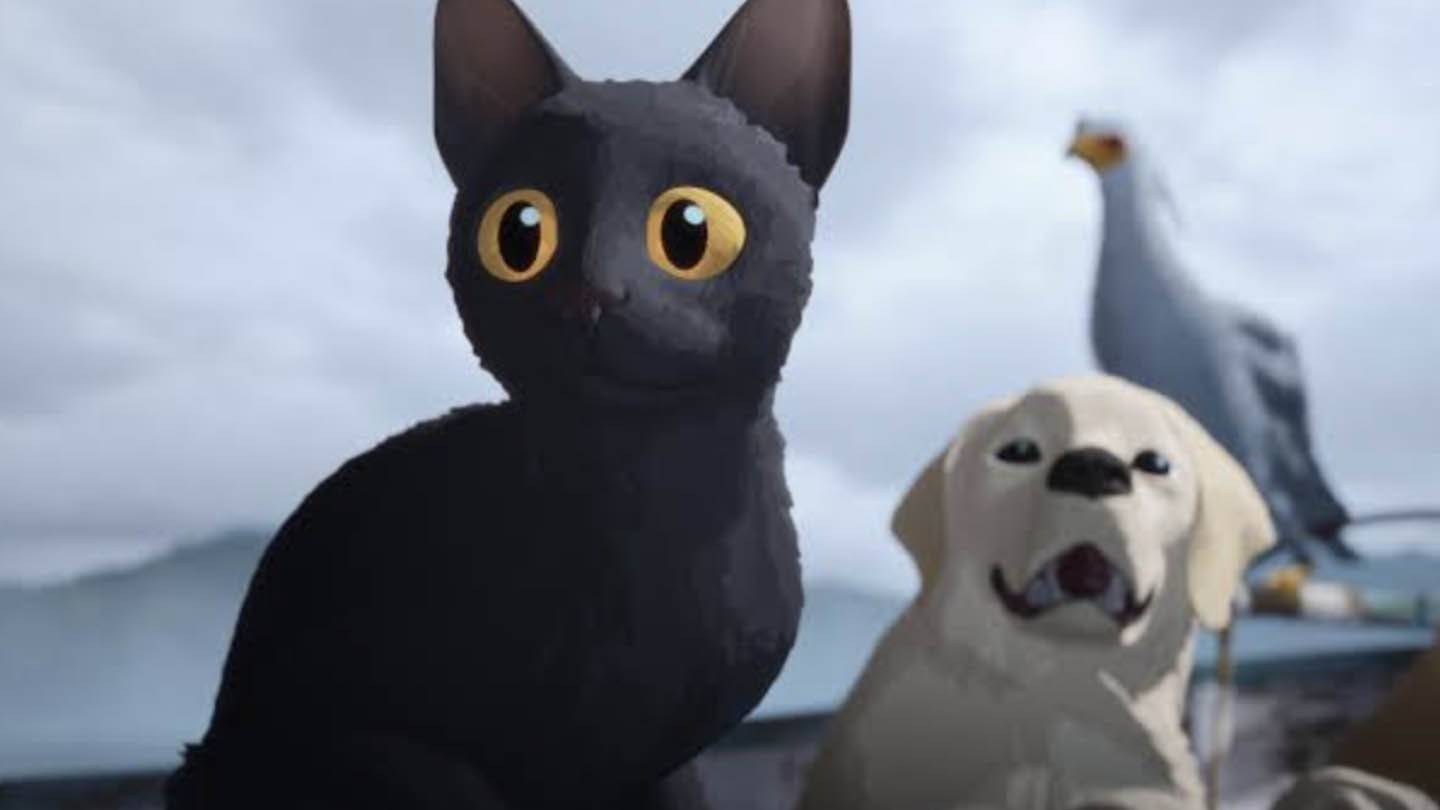
Персонажи «Flow» в движении

Запись подлинных звуков животных столкнулась с уникальными трудностями

Команда по звуковому дизайну применила креативные решения для передачи естественных голосов животных:

  • Использовали скрытое оборудование для записи подлинных звуков главной кошки
  • Прибегли к звукам других видов, когда капибары отказались сотрудничать
  • Адаптировали распространённые звуки под уникальные личности каждого персонажа
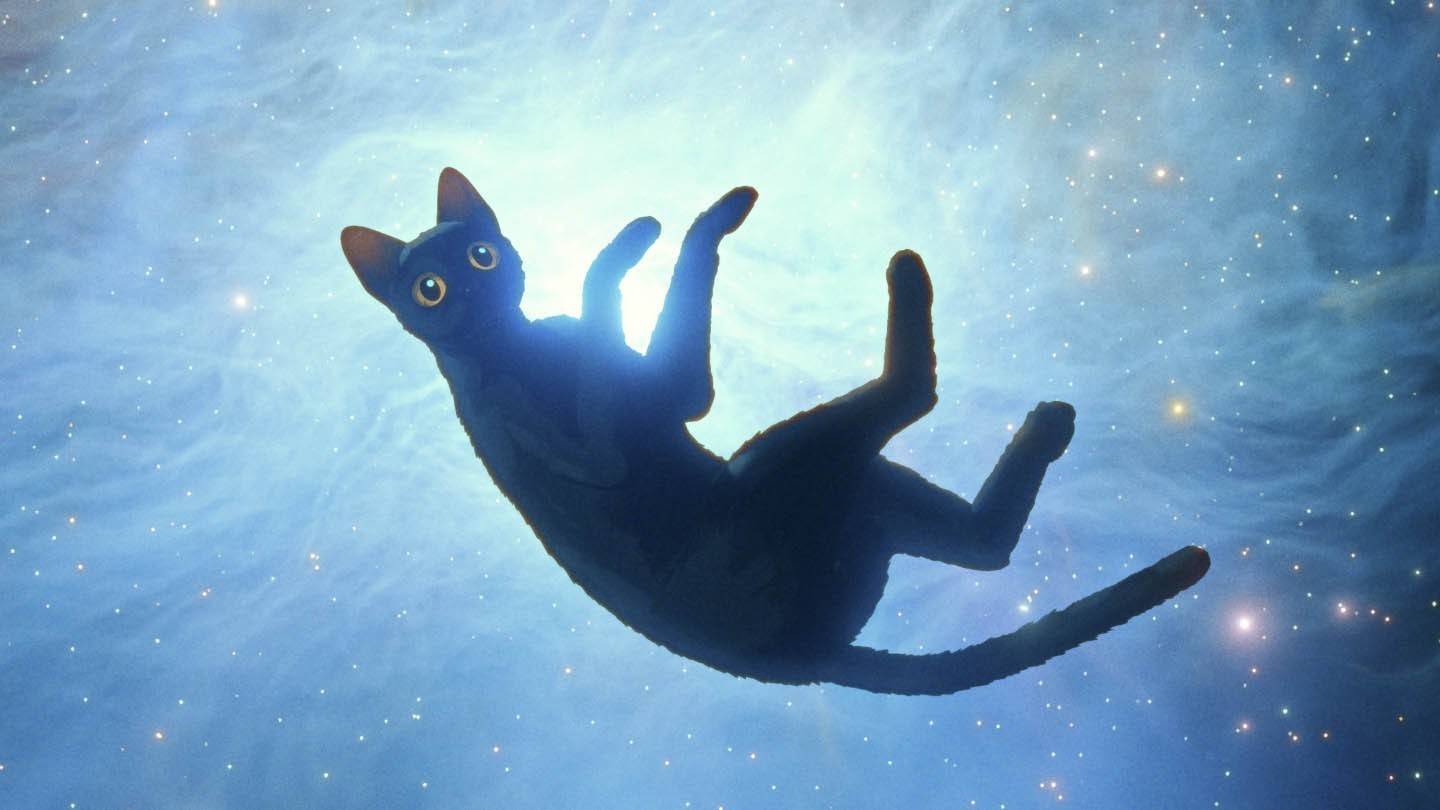
Протагонист — кошка

Последние статьи Более+